
Pneumonia is a lung infection that can affect anyone, but early care leads to better recovery. This illness can cause mild to severe symptoms. Recognizing the early signs of pneumonia and knowing pneumonia treatment options can help you or your loved ones recover faster. In this blog, we will discuss how to spot pneumonia early, ways to manage it, and tips for recovering from pneumonia. Acting quickly can make a big difference in your health.
What is Pneumonia?
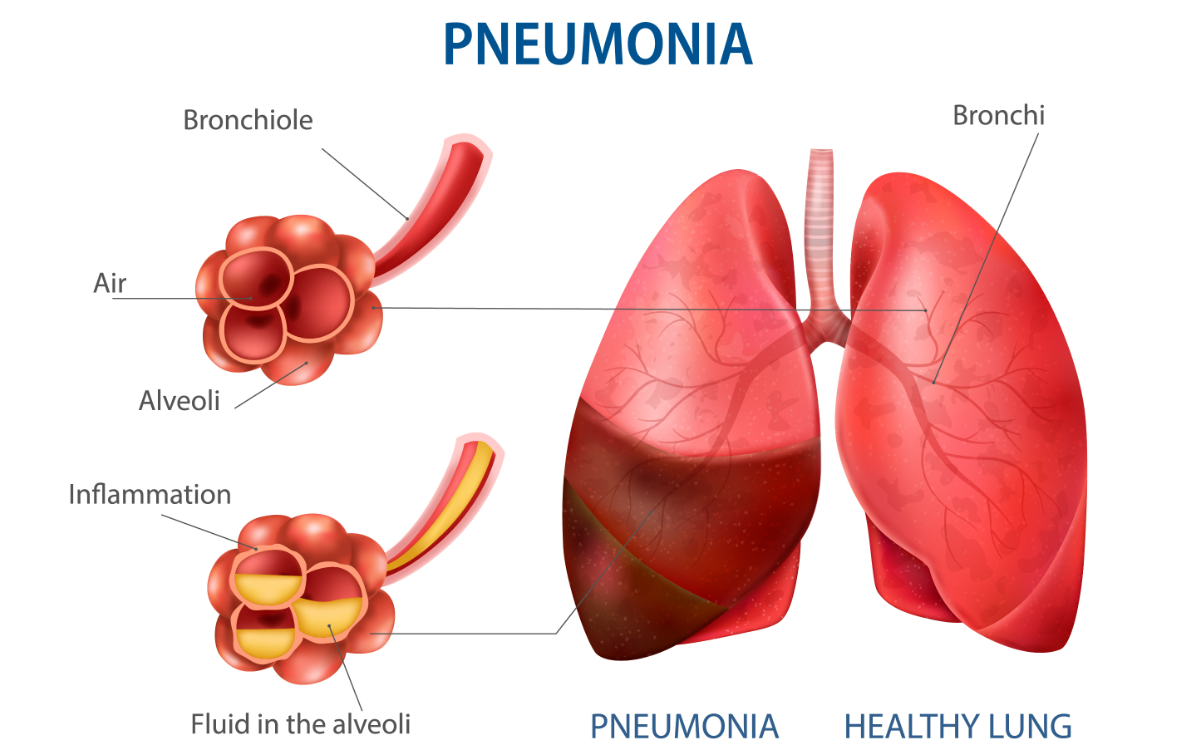
Pneumonia is an infection that causes the air sacs in one or both lungs to fill with fluid or pus. As a result, breathing can become hard. Sometimes, it feels like a bad cold or the flu, but it can get worse quickly. According to the World Health Organization (WHO), pneumonia is a leading cause of illness worldwide. However, with early care, most people recover well.
Early Signs and Symptoms
Recognizing the early signs of pneumonia helps you get care sooner. Although symptoms can vary, common signs include:
Sometimes, people may also have headache or confusion, especially older adults. If you notice these symptoms, it is important to seek advice early.
Causes and Risk Factors
Pneumonia can be caused by bacteria, viruses, or fungi. For example, the flu virus and some bacteria are common causes. However, not everyone is at the same risk. Some people are more likely to get pneumonia, such as:
Because of these risks, it is important to know your own health and take steps to protect yourself.
Importance of Early Care
Early care for pneumonia can prevent serious problems. When you act quickly, you lower the risk of the infection spreading or causing lasting damage. For instance, starting treatment early can shorten recovery time and reduce hospital stays. In addition, early care helps prevent complications, such as lung abscess or respiratory failure. Therefore, do not wait if you notice symptoms. Early action leads to better recovery.
Diagnosis and When to See a Doctor
Doctors use several methods to diagnose pneumonia. Usually, they will ask about your symptoms and listen to your lungs. Sometimes, they may order a chest X-ray or blood tests. If you have trouble breathing, high fever, or chest pain, see a doctor right away. Also, if you are in a high-risk group, do not delay. Early diagnosis means you can start the right treatment sooner.
Treatment Options
Pneumonia treatment options depend on the cause and how severe it is. Most people can recover at home with rest, fluids, and medicine. However, some may need hospital care. Common treatments include:
Always follow your doctor’s advice. Never stop medicine early, even if you feel better. This helps prevent the infection from coming back.
Tips for Better Recovery at Home
Recovering from pneumonia takes time. But, you can help your body heal with these tips:
Additionally, try to stay away from others until your doctor says you are no longer contagious.
Prevention Strategies
Preventing pneumonia is possible with a few simple steps. For example, you can:
Because prevention is easier than treatment, these steps can protect you and your family.
Frequently Asked Questions (FAQ)
For more information, you can visit trusted sources like the CDC or WHO.
Conclusion: Early care for pneumonia leads to better recovery and fewer problems. If you notice symptoms, act quickly. Consult a healthcare specialist for personalized advice on pneumonia care and recovery.